How important is fun design in children's tableware?
How important is fun design in children's tableware? Why playful design matters, key elements children love, how it helps picky eaters, and how suppliers can balance fun with safety.

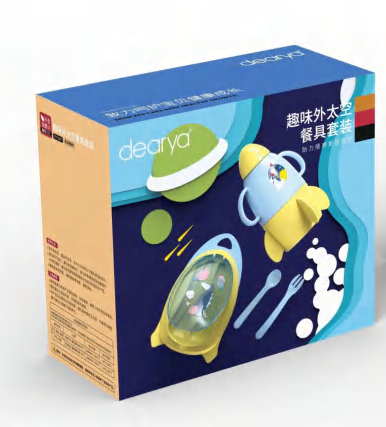
I've noticed that children are more willing to eat when their plates are colorful and playful. As a supplier, I always ask myself: does this design make me smile, and will it do the same for a child? Fun design is extremely important in children's tableware because it encourages eating habits, keeps children engaged during mealtime, and can help overcome picky eating. A playful and creative design grabs children's attention and creates positive associations with food.
Children are naturally attracted to bright colors and familiar shapes. Boring plates do not excite them. Fun designs on tableware help stimulate a child's imagination, encourage healthy eating routines, and promote independent eating. The benefits are clear: fun design encourages appetite, since children eat more when meals look fun and inviting; it reduces mealtime stress, since parents face fewer struggles with picky eaters; and it supports learning, since shapes, colors and animals spark curiosity and learning.
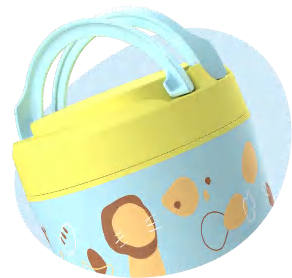
Design elements must go beyond aesthetics — function and interaction are equally vital. Children respond best to bright colors, recognizable characters, and interactive shapes like animal handles or divided plates. Key elements that work: bold colors — red, yellow and blue catch attention quickly; familiar themes — animals, cars and princesses are safe bets; and interactive features — suction bases or divided plates make eating fun. Bright colors attract visual attention and stimulate interest, character designs create an emotional connection with food, and divided sections encourage sampling different foods without mixing.
Some children are picky eaters by nature, and fun design can help them overcome that. Plates with sections shaped like animals or vehicles help children see food as playful rather than intimidating. Practical ways fun design assists picky eaters: plating patterns — use smiley faces or rainbow arrangements; character encouragement — plates that 'talk' through printed text encourage finishing meals; and reward concepts — hidden images under food encourage finishing portions. For specific challenges, use plates with surprise images revealed when food is eaten for refusal to try new foods, divided plates to introduce new items slowly for children who only eat one type of food, and playful timers or count-down sections on plates for long mealtimes. Fun design must never compromise safety: suppliers must use non-toxic materials, smooth finishes, and ensure all decorative elements are securely attached. Key safety factors are BPA-free, FDA-approved materials that prevent harmful chemical exposure, rounded edges that prevent accidental injuries, durable construction that withstands rough handling from toddlers, and dishwasher-safe, stain-resistant finishes. Fun design in children's tableware is key to encouraging healthy eating, fostering independence, and making mealtimes more enjoyable.